If you’re looking to add extra space to your home, you’ve probably come across several options: a garden room, a conservatory, a summer house, or a full extension.
They can look similar at first glance — but they differ significantly in cost, insulation, planning requirements, disruption levels and long-term value.
In this guide, we break down the differences clearly so you can decide which option is right for your home and lifestyle.
What Is a Garden Room?
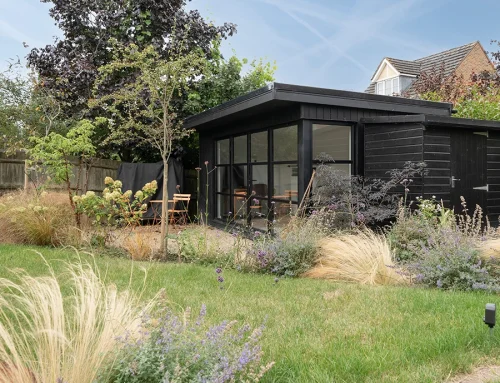
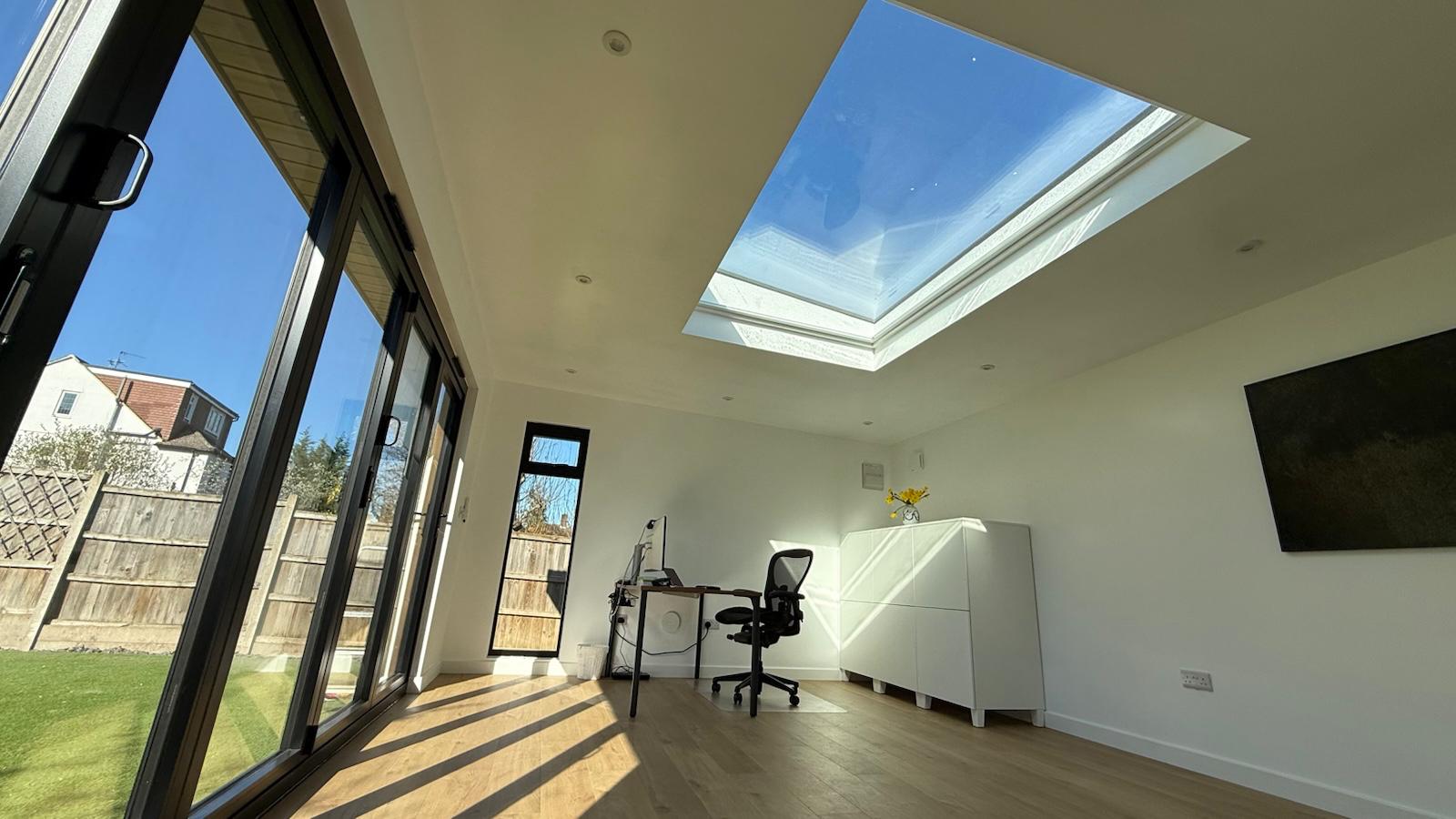
A garden room is a fully insulated, detached structure built in your garden for year-round use. Unlike a basic timber outbuilding, modern garden rooms are designed with high-performance insulation, double glazing and electrical integration.
They are commonly used as:
- Home offices
- Garden gyms
- Pilates or yoga studios
- Games rooms
- Home cinemas
- Creative studios (for example, a pottery studio or music studio)
- Guest annexes
Most garden rooms in the UK are built under permitted development rights, meaning they do not usually require planning permission (provided they meet height and placement rules set out by the Planning Portal).
Key characteristics:
- Detached from the main house
- Solid insulated walls and roof
- Designed for all-season use
- Typically built in 2–4 weeks
What Is a Conservatory?
A conservatory is an extension-style structure attached directly to the house, traditionally featuring a high percentage of glazing and often a glass or polycarbonate roof.
Popular in the UK since the Victorian era (for example, the classic Victorian conservatory design), conservatories are typically used as:
- Extra lounge space
- Dining rooms
- Garden-facing sitting areas
However, because they are predominantly glazed, temperature regulation can be a challenge — often too hot in summer and too cold in winter unless upgraded with modern roofing systems.
Key characteristics:
- Attached to the house
- Mostly glass construction
- Mid-range cost
- Variable year-round comfort
What Is a Summer House?
A summer house is generally a lightweight timber garden building designed primarily for seasonal use.
Unlike a garden room, a summer house:
- Usually has minimal insulation
- Often sits on a simple base
- Is designed for leisure rather than work
Summer houses are popular for:
- Relaxation spaces
- Garden entertaining
- Hobby rooms
They are usually the most budget-friendly option but are not typically suitable for full-time use in winter.
What Is a House Extension?
A house extension is a structural addition built onto your main property. It becomes fully integrated into the existing building, often expanding kitchens or living areas.
Unlike a garden room, an extension:
- Requires substantial foundations
- Almost always requires building regulations approval
- Often requires planning permission
- Takes significantly longer to complete
According to cost guidance from Homebuilding & Renovating, UK extension costs commonly start around £30,000 and can exceed £75,000 depending on size and specification.
At-a-Glance Comparison
| Feature | Garden Room | Conservatory | Summer House | Extension |
|---|---|---|---|---|
| Year-round use | Yes | Sometimes | No | Yes |
| Planning required | Usually no | Sometimes | Rarely | Often |
| Avg cost | £15–40k | £10–25k | £3–10k | £30–75k+ |
| Build time | 2–4 weeks | 2–6 weeks | 1–3 weeks | 3–6 months |
| Disruption level | Low | Medium | Low | High |
Planning Permission & Building Regulations (UK)
Most garden rooms and summer houses fall under permitted development rights.
According to the Planning Portal, outbuildings must:
- Not exceed 2.5m in height if within 2m of a boundary
- Not cover more than 50% of the total land around the original house
- Not be used as separate self-contained living accommodation
Extensions are far more likely to require full planning approval and always require building regulations sign-off. Always check with your local planning authority before proceeding.
Which Option Is Right for You?
Choose a garden room if:
- You need a home office, gym, or entertaining space
- You want year-round comfort
- You want minimal disruption
Choose a conservatory if:
- You want extra lounge space
- You prefer a glass-heavy design
- You are extending directly from the house
Choose a summer house if:
- You have a very tight budget
- You only need seasonal use
Choose an extension if:
- You want to expand your kitchen or living space
- You plan to stay long-term
- You are comfortable with higher cost and disruption
Deciding On the Best Option for You
Choosing between a garden room, conservatory, summer house or extension ultimately comes down to how you want to use the space — and how you want it to perform throughout the year.
If you’re looking for:
- A fully insulated, year-round work and play space
- A faster, lower-disruption alternative to an extension
- A structure that adds flexible, future-proofed space to your home
A professionally designed garden room could be the ideal solution.
At Garden House Company, we design and build bespoke garden rooms and annexes tailored to your property, your usage needs and UK planning guidelines.