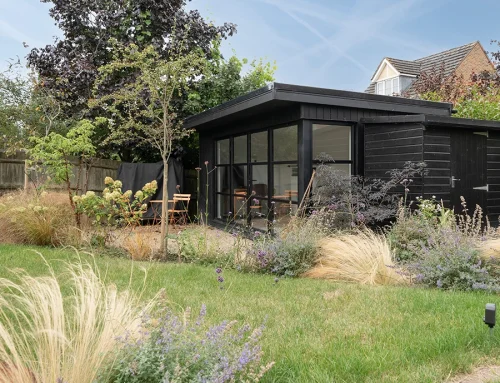
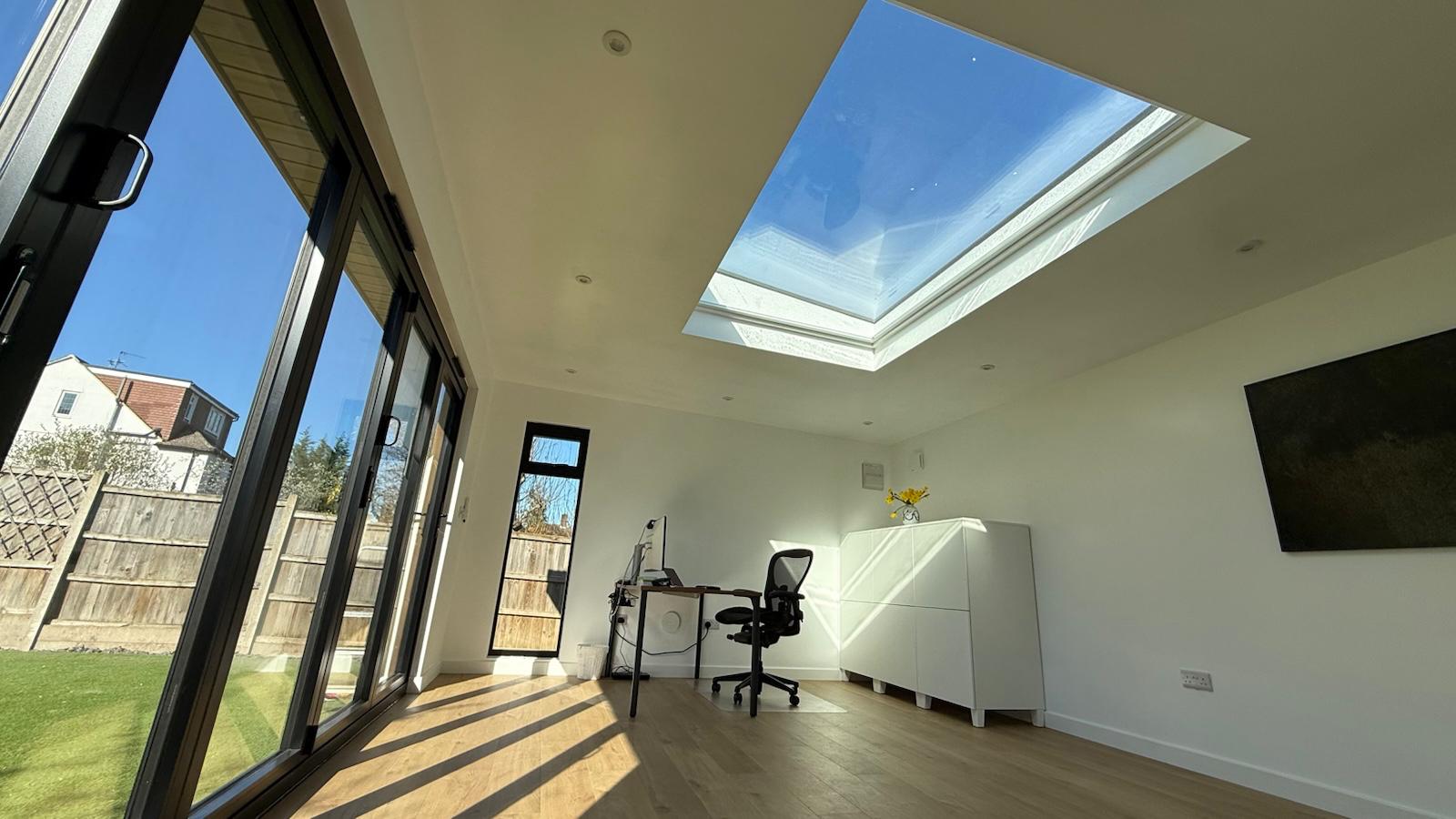
For many artists, makers and creative professionals, there comes a point when the kitchen table, spare bedroom or corner of the living room simply isn’t enough.
Whether you paint, illustrate, sculpt, teach, design or work across multiple mediums, having a dedicated creative space can completely change how — and how often — you create.
That’s where a garden art studio comes in.
A purpose-built garden studio gives you a private, inspiring space just steps from your home, without the cost, disruption or planning complexity often associated with moving house or building an extension.
At The Garden House Company, we plan, design, and build premium garden rooms and annexes across Kent and Sussex, with a range of collections to suit your budget.
In this guide, we’ll explore everything you need to know about designing and building a garden art studio in the UK — from layout ideas to planning permission.
What Is a Garden Art Studio?
A garden art studio is a purpose-built garden room designed specifically for creative work. Unlike a basic shed or seasonal summer house, a professionally built art studio is designed for comfort, functionality and year-round use.
Typically located in the back garden, these spaces combine high levels of insulation, natural light, electrical integration and bespoke interior design to create an environment where creativity can thrive.
A garden art studio can be used for:
- Painting and drawing
- Illustration and digital design
- Pottery and ceramics
- Photography and content creation
- Textile and craft work
- Teaching workshops or private lessons
Because they’re separate from the main house, garden studios also create a healthy separation between home life and creative work.
Discover how we worked with Sarah to design her garden pottery studio with a ‘seaside hut’ feel.
Why Artists Choose a Garden Studio
More and more UK homeowners are choosing dedicated garden studios because they offer:

Garden Art Studio Ideas for Your Space
Whether you have a compact urban garden or a larger outdoor space, there’s a studio design to suit.
Small Garden Art Studios
Even a modest footprint can create an inspiring and highly functional workspace.
A small garden art studio can work beautifully in spaces as small as 2m x 3m – see how we built Stephen’s garden studio & workshop for a 6m x 3m space.
To make the most of a compact studio, consider:
- Fold-down work surfaces: ideal for freeing up floor space when not in us.
- Vertical storage: shelving, pegboards and wall-mounted organisers
- Mobile furniture: wheeled storage units and portable easels allow the space to adapt
- Skylights or roof lanterns: adding natural light from above can make smaller studios feel brighter and more spacious.
Professional Garden Art Studios
If art is your profession, or you’re building a studio for commercial use, regular commissions or teaching, larger layouts offer greater flexibility.
Popular features include:
- Full-height glazing
- Oversized double doors
- Utility sinks
- Display walls
- Storage cabinetry
- Dedicated framing or packing areas
A professional studio can also double as a meeting space for clients or students. At The Garden House Company, we have experience in designing public-use garden rooms, such as the Groombridge Men’s Shed for village forums.
Multi-Purpose Garden Studio
Many homeowners want a studio that supports multiple activities.
Popular combinations include:
- Painting studio + home office
- Pottery space + workshop
- Art studio + tutoring space
- Creative studio + content creation room
A bespoke design allows your studio to evolve with your needs. Learn more about our bespoke garden room options in our cost comparison guide.
Building an Art Studio in Your Garden
The best garden art studios aren’t just beautiful — they’re designed around how artists actually work.
Natural Light & Window Placement
Light is one of the most important considerations when designing an art studio.
Many artists prefer north-facing light because it provides consistent, soft illumination throughout the day.
When designing your garden art studio, consider:
- Window orientation
- Full-height glazing
- Rooflights or skylights
- Glare control
- Privacy screening
The right glazing design can make a dramatic difference to colour accuracy, comfort and productivity. Learn more about lighting options for garden rooms.
Heating, Insulation & Ventilation
A true garden art studio should work just as well in January as it does in July.
Unlike summer houses, insulated garden studios typically feature:
- Insulated walls
- Insulated flooring
- Insulated roofs
- Double or triple glazing
- Weather-sealed doors and windows
This helps maintain a comfortable temperature while reducing condensation — especially important when storing paper, canvases, paints or specialist equipment.
Heating options may include:
- Electric panel heaters
- Underfloor heating
- Infrared heating panels
Good ventilation is equally important, particularly if you work with oils, solvents, clay or other materials that generate moisture or fumes.
Flooring & Easy-Clean Surfaces
Art can be messy, so your flooring needs to be practical.
Popular choices include:
- Luxury vinyl flooring
- Laminate
- Sealed concrete-effect finishes
These materials are durable, easy to clean and able to handle spills, paint splashes and heavy equipment.
Electrics
Most artists need more than just one plug socket.
A professionally designed garden art studio can include:
- Multiple power outlets
- Dedicated task lighting
- Wi-Fi connectivity
- USB charging points
- External lighting
If you use specialist equipment such as kilns, printers or photography lighting, mention this early in the design process.
Water Access & Specialist Equipment
Depending on your medium, you may benefit from:
- Utility sinks
- Extraction systems
- Specialist ventilation
- Reinforced flooring
- Extra storage zones
These features are easier to plan in from the start.
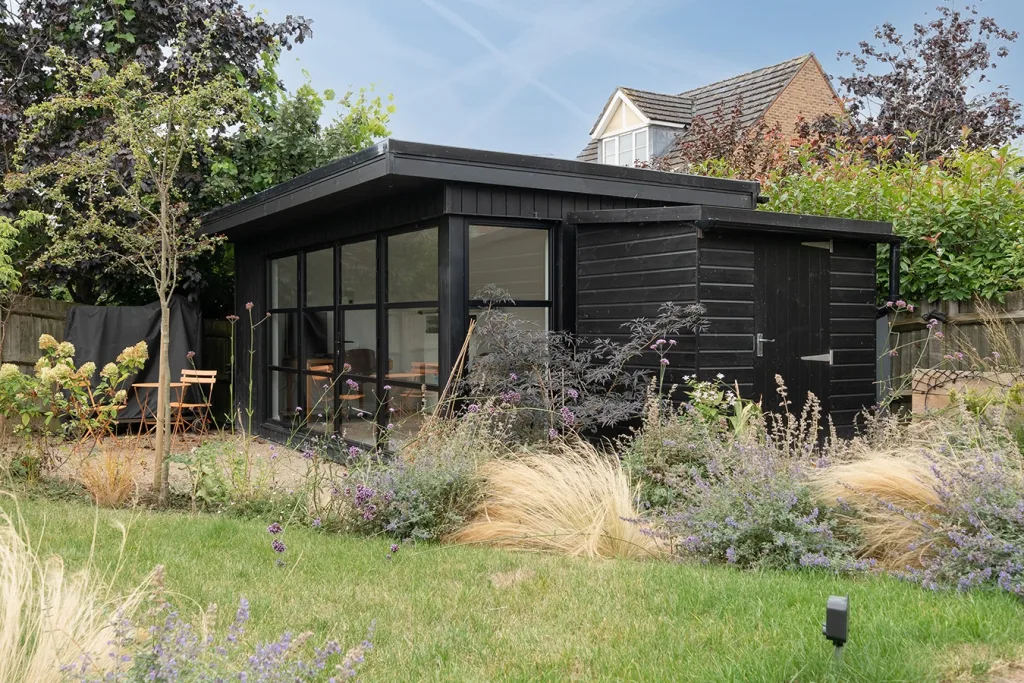
Do You Need Planning Permission for a Garden Art Studio?
In many cases, garden art studios in the UK can be built under permitted development rights, meaning full planning permission may not be required.
According to the Planning Portal, garden buildings generally fall under permitted development if they meet certain criteria, including:
- Not exceeding 2.5 metres in height if located within 2 metres of a boundary
- Not covering more than 50% of the land around the original house
- Not being used as separate self-contained living accommodation
Learn more about UK planning permission rules for garden rooms in Kent & Sussex.
Ready to Design Your Own Garden Art Studio?
Whether you’re looking for a compact creative retreat, a fully insulated year-round workspace, or a bespoke studio designed around your artistic process, the right design can completely transform how you work.
At The Garden House Company, we design and build bespoke garden art studios tailored to your space, your workflow and your long-term goals. View our cost comparison guide or get in touch today.